


 中文简体
中文简体 Autor: Admin Data: 2026-02-02
An AC geared motor is a type of electric motor that combines an alternating current (AC) motor with a gear reducer in a single unit. This integration allows the motor to operate at lower speeds while providing higher torque, which is essential for driving mechanical loads efficiently. AC geared motors are widely used in industrial automation, conveyor systems, packaging machinery, and other applications requiring controlled speed and torque.
Compared to standard AC motors, the addition of a gearbox allows for precise speed control and enhanced performance under varying load conditions. This makes AC geared motors ideal for processes where consistent torque and slow rotational speed are critical.
Working Principle of AC Geared Motors
The basic principle of an AC geared motor involves converting electrical energy into mechanical motion through the AC motor, then reducing the speed and increasing torque via a gearbox. When alternating current flows through the motor windings, it generates a rotating magnetic field, causing the rotor to turn.
The attached gear reducer decreases the motor's output speed while proportionally increasing torque. Gear types may vary depending on the desired speed reduction ratio and application requirements, including spur gears, helical gears, or worm gears.
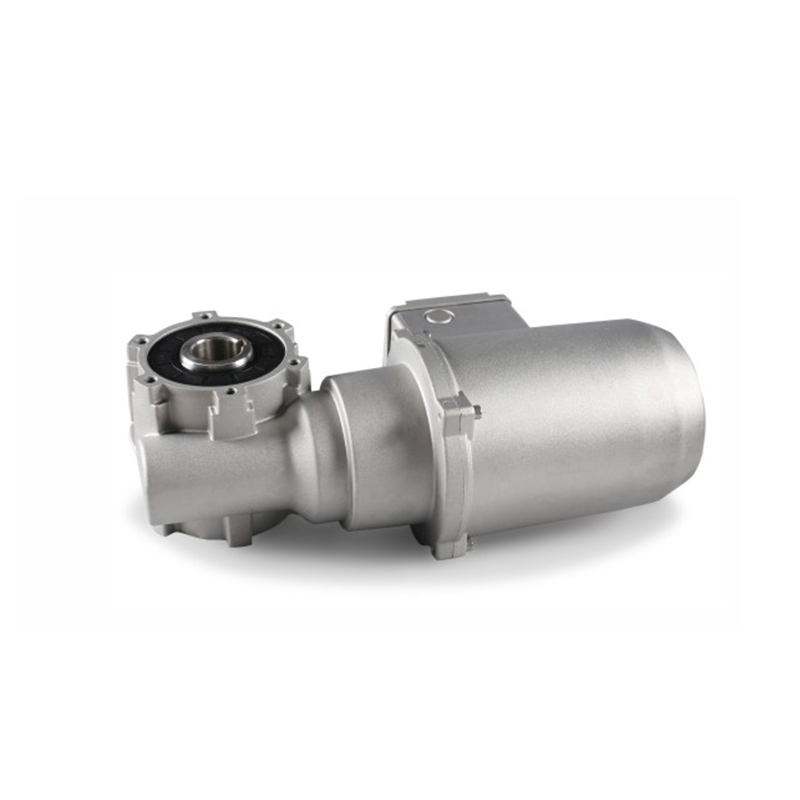
Key Components of AC Geared Motors
AC geared motors consist of several key components that ensure efficient operation and reliability:
- AC motor (squirrel-cage induction or shaded-pole type).
- Gearbox (spurs, helicals, worms) for speed reduction and torque amplification.
- Housing and mounting frame for mechanical stability.
- Shaft and bearings to transfer mechanical output efficiently.
- Cooling system, usually natural or forced ventilation, to maintain optimal operating temperature.
Types of AC Geared Motors
AC geared motors are classified based on gear type, motor construction, and output configuration. Selecting the correct type is critical to match performance with application demands.
Spur Gear AC Motors
Spur gear motors use straight-cut gears to transmit motion. They are simple in design, cost-effective, and suitable for moderate torque applications. However, they may generate more noise compared to other gear types.
Helical Gear AC Motors
Helical gear motors utilize angled gears that provide smoother engagement, higher torque capacity, and lower noise. They are ideal for applications requiring continuous operation and high load performance.
Worm Gear AC Motors
Worm gear motors provide high reduction ratios and compact design. They are self-locking, which is beneficial in applications where reverse motion prevention is required. These motors are widely used in conveyors, lifts, and adjustable machinery.
Applications of AC Geared Motors
AC geared motors are versatile and used across multiple industries. Their applications include:
- Conveyor systems in manufacturing plants and logistics centers.
- Packaging machinery for controlled motion and precise speed.
- Food processing equipment where hygienic design and low-speed torque are needed.
- Industrial mixers, fans, and pumps requiring reliable torque delivery.
- Automated gates, lifts, and adjustable machinery.
Advantages of Using AC Geared Motors
AC geared motors provide several advantages that make them ideal for industrial applications:
- Compact design combining motor and gearbox into a single unit.
- High torque output at low speeds without requiring oversized motors.
- Reduced installation complexity and space requirement.
- Energy-efficient operation when matched to load and speed.
- Lower maintenance compared to separate motor and gearbox setups.
Performance Parameters and Selection Criteria
Choosing the right AC geared motor requires careful consideration of performance parameters. Key factors include:
- Motor power rating (in kW or HP) based on load requirements.
- Gear ratio to achieve desired output speed and torque.
- Duty cycle for continuous or intermittent operation.
- Mounting configuration (foot-mounted, flange-mounted, or shaft-mounted).
- Environmental considerations including temperature, humidity, and dust exposure.
AC Geared Motor Efficiency and Energy Considerations
Efficiency depends on the motor design, gear type, and load matching. Selecting the proper motor size and gear ratio minimizes energy waste and reduces operational costs.
Modern AC geared motors may incorporate energy-saving features such as optimized winding designs, high-efficiency gears, and low-loss bearings. Ensuring proper lubrication and alignment further improves energy efficiency.
Maintenance and Reliability Management
Regular maintenance ensures long-term reliability. Key practices include checking lubrication levels, inspecting gear and motor bearings, and monitoring for unusual noise or vibration.
Preventive maintenance schedules, including oil changes and cleaning, extend motor life and prevent costly downtime in industrial operations.
Common Applications Across Industries
AC geared motors are employed in a wide range of industries:
- Manufacturing: conveyors, assembly lines, robotic arms.
- Packaging: labeling, filling, and wrapping machines.
- Food & beverage: mixers, pumps, slicers, and automated dispensers.
- Material handling: cranes, lifts, and hoists.
- HVAC: fans, blowers, and ventilation systems.
Installation Tips and Best Practices
Proper installation ensures optimal performance. Motors should be mounted on rigid, vibration-free surfaces, aligned correctly with driven equipment, and electrically connected according to manufacturer specifications.
Consider factors such as ambient temperature, dust, humidity, and ventilation. Following these guidelines reduces the risk of premature wear and mechanical failure.
Troubleshooting Common Issues
Common issues include overheating, abnormal vibration, noise, or loss of torque. These problems often stem from misalignment, overloading, or inadequate lubrication.
Systematic troubleshooting involves inspecting electrical connections, checking gear lubrication, verifying load conditions, and testing motor windings for continuity.
Conclusion: Maximizing Productivity with AC Geared Motors
AC geared motors provide an efficient, reliable solution for applications requiring controlled speed and high torque. Understanding motor types, gear mechanisms, and maintenance practices ensures optimal performance and longevity.
By selecting the right AC geared motor for your application, you can enhance productivity, reduce downtime, and achieve precise control over industrial processes.

-
Opinião
Produtos relacionados


Copyright© Hengye Intelligent Drive (Hangzhou) Co., Ltd. Todos os direitos reservados

Linha direta:0086-15869193920
Tempo:0:00 - 24:00
